
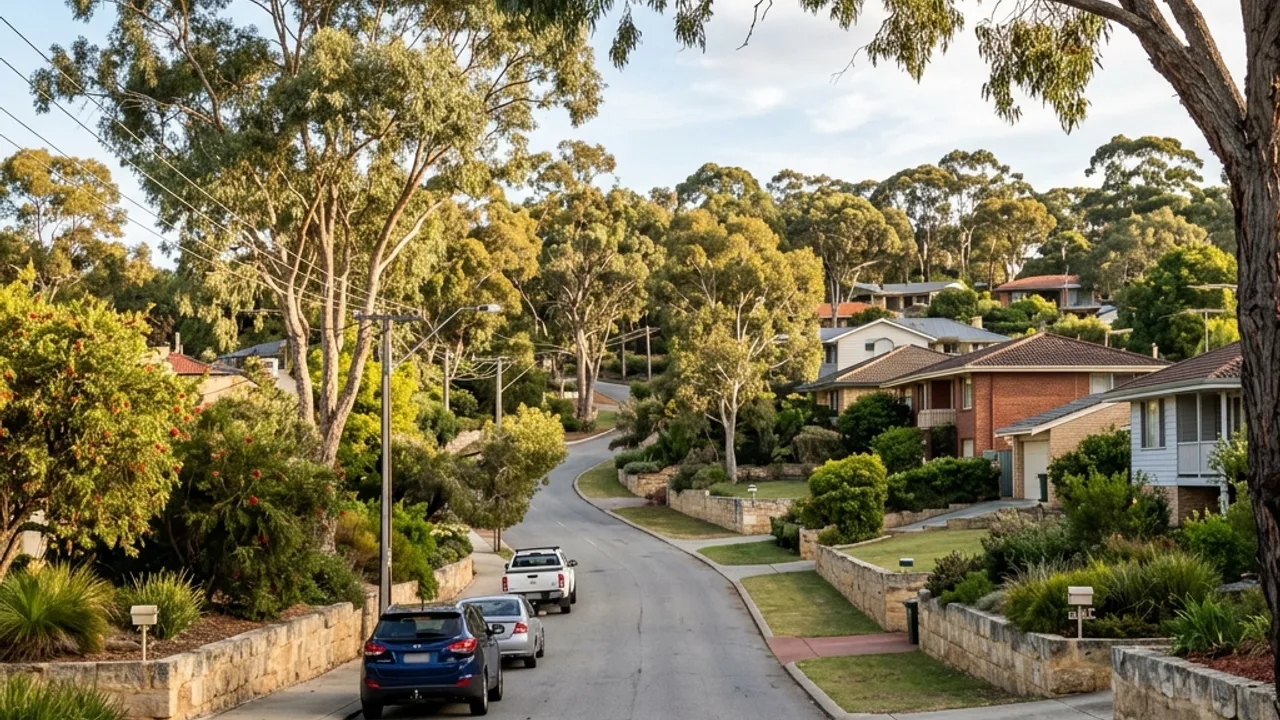
Retaining Walls Locations Across Perth
Perth is not one retaining wall problem - it's at least three. The Darling Range hills catchment deals with genuine slope and granite outcrops, the river suburbs are managing ageing post-war limestone, and the coastal sand plain is a low-bearing, sand-containment problem entirely of its own. Find your area below for the detail that actually applies to it.
Retaining Wall Perth - Find Your Suburb
Kalamunda
Steep, tree-lined blocks on the Darling Scarp that usually need terracing to win a level building pad.
View suburb →Mundaring
Escarpment blocks that fall away from the road, where walls carry the building pad and the driveway.
View suburb →Roleystone
Semi-rural hills blocks in the Canning River valley, where engineered timber and rock walls are common.
View suburb →Bedfordale
Large scarp-face lots where retaining is about driveway cuts and shed or dam pad levels.
View suburb →Darlington
Granite-outcropped hills blocks where rock and boulder walls match the existing landscape.
View suburb →Gooseberry Hill
Blocks cut into the scarp with walls sitting close to boundaries, so approvals matter early.
View suburb →Lesmurdie
Genuinely steep ground near the falls, where terraced limestone and concrete sleeper walls suit.
View suburb →Maida Vale
At the base of the scarp, where the rear of a block often steps up toward the escarpment.
View suburb →Forrestfield
Foothills cut-and-fill blocks where walls usually hold a rear-of-block grade change.
View suburb →South Perth
Riverside blocks near the Swan escarpment, where older limestone retaining is common.
View suburb →Como
Streets stepping down to the Canning and Swan, where post-war limestone walls are nearing end of life.
View suburb →Applecross
Elevated river-view sites where a pool or extension adds surcharge close to the retained edge.
View suburb →Mount Claremont
A leafy western-suburbs pocket where low limestone or timber retaining is landscaping scale.
View suburb →City Beach
Coastal dune ground where footing and drainage design matter more than wall height.
View suburb →Scarborough
Beachside blocks on shifting coastal sand, where containing sand and drainage lead the design.
View suburb →